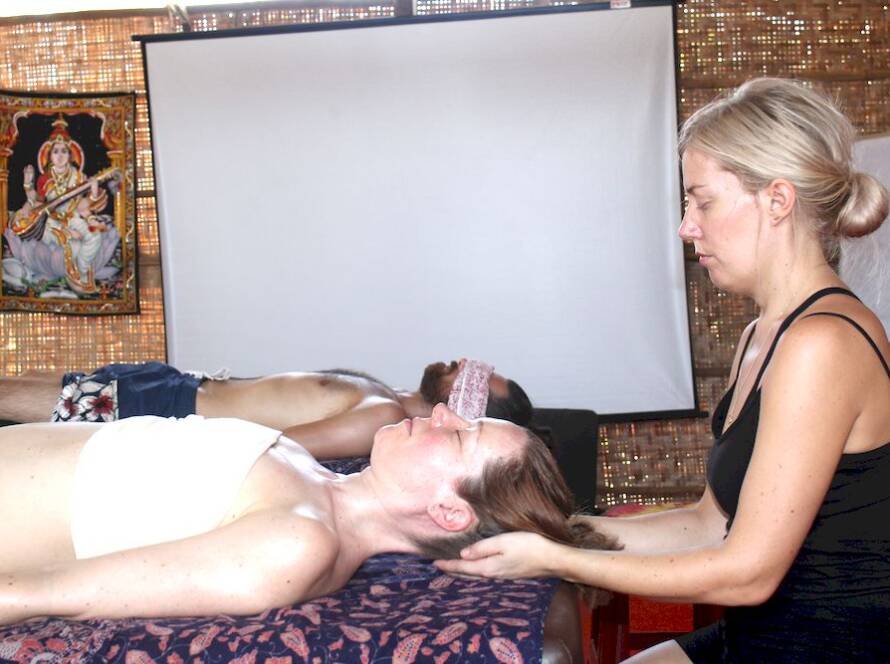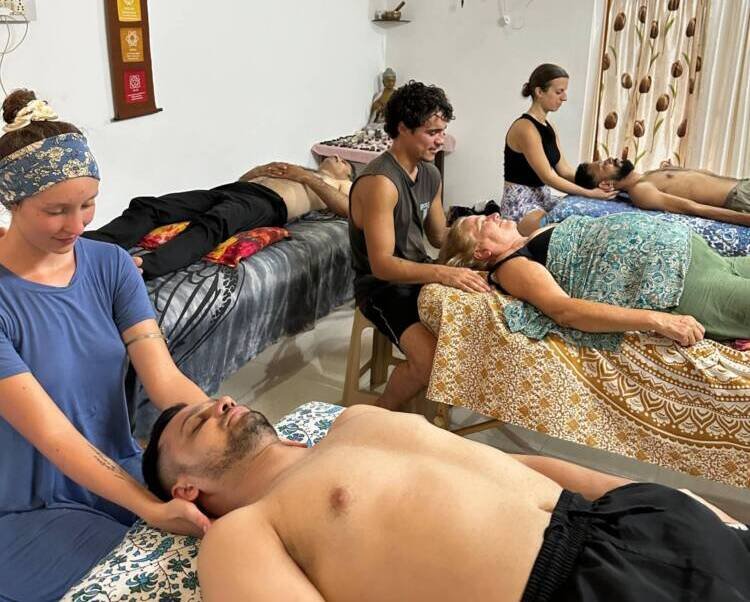
Massage is often associated with relaxation, relief from muscular tension and a greater sense of comfort. For people living with cancer, gentle touch may also offer a quiet space to rest and feel cared for during a physically and emotionally challenging time.
However, massage for someone with cancer requires a different level of understanding and care. The person’s medical condition, current treatment, physical strength and individual needs must always guide the approach.
Can Massage Help People Living with Cancer?
Massage is sometimes used as a complementary therapy alongside conventional cancer care. Some people find it helpful for relaxation, temporary relief from pain or anxiety, and general comfort.
Research into the benefits of massage for people with cancer is still limited, and the results are not consistent. Massage should therefore be understood as a possible form of supportive care, not as a treatment for cancer itself.
It cannot cure cancer, stop its progression or replace medical treatment. Anyone considering massage during or after cancer treatment should first discuss it with their healthcare team.
Why Gentle Touch Matters
Touch is an important part of human connection. When offered with sensitivity, respect and appropriate professional care, it can provide an opportunity to feel supported without needing to explain or change anything.
A gentle massage session may offer:
A quiet opportunity to relax and rest.
A comforting experience of human contact.
Time to become aware of breathing and bodily sensations.
A peaceful environment in which to feel cared for.
These experiences are personal, and no particular response should be expected. The purpose is not to force relaxation or achieve a specific result, but to offer appropriate care while respecting the person’s comfort and boundaries.
Massage Safety and Cancer Care
Massage techniques that are suitable for a healthy person may not be appropriate for someone undergoing cancer treatment or recovering from it.
Before receiving a massage, the person should consult their oncologist or treating healthcare professional. Depending on the circumstances, the therapist may also need specific training in oncology massage.
Important considerations include:
Pressure: Deep-tissue massage and forceful techniques may be unsuitable. Gentle pressure or adapted techniques may be more appropriate, depending on medical advice.
Bone health: Cancer affecting the bones, osteoporosis or an increased risk of fractures requires particular caution.
Skin sensitivity: Areas affected by surgery, radiation therapy, wounds, bruising or other skin changes may need to be avoided.
Medical conditions and medication: Low platelet counts, increased bleeding risk, blood clots, infection risk and other treatment-related complications may affect whether massage is appropriate.
Lymphoedema: Swelling associated with lymphatic problems requires specialised assessment and care. General massage should not be used as a substitute for treatment by a qualified professional.
These are examples rather than a complete list of precautions. The appropriate approach depends on the individual, and there may be circumstances in which massage should be postponed or avoided.
The Importance of the Therapist’s Approach
Working with someone who has cancer or a history of cancer requires more than knowing massage techniques. A therapist must recognise the limits of their training, understand when medical guidance is necessary and be willing to adapt or stop a session.
Communication is essential. The therapist should explain what they intend to do, ask permission before touching the body and respect the person’s preferences throughout the session.
Comfort should never be measured by how much pressure a person can tolerate. In this context, a sensitive approach, careful observation and respect for personal boundaries are especially important.
A therapist should never claim to diagnose, treat or cure cancer through massage, nor encourage anyone to delay or discontinue medical care.
Meditative Touch: Awareness, Presence and Respect
At Meditative Touch, we approach bodywork through awareness, presence and sensitivity to the individual. We understand touch as more than a sequence of physical techniques; it also involves listening, communication and respect for the person receiving the session.
This approach encourages practitioners to pay attention to the body’s responses rather than follow a fixed routine without considering individual needs.
However, a meditative approach does not replace specialised medical knowledge. Our general therapeutic massage training should not be interpreted as oncology massage training, and students should not assume that they are qualified to work with people undergoing cancer treatment without further appropriate education.
A Responsible Approach to Supportive Care
People living with cancer deserve care that respects both their vulnerability and their individuality. Massage may be one option for supportive comfort when it is appropriate, medically cleared and delivered by a suitably qualified practitioner.
The most important principles are to work within one’s professional competence, follow medical guidance, adapt techniques to the person’s needs and never make promises that massage cannot support.
For reliable information, consult the National Center for Complementary and Integrative Health and Cancer Research UK.
Medical disclaimer: This article is for general educational purposes only. It does not provide medical advice or replace consultation with an oncology team or other qualified healthcare professional.