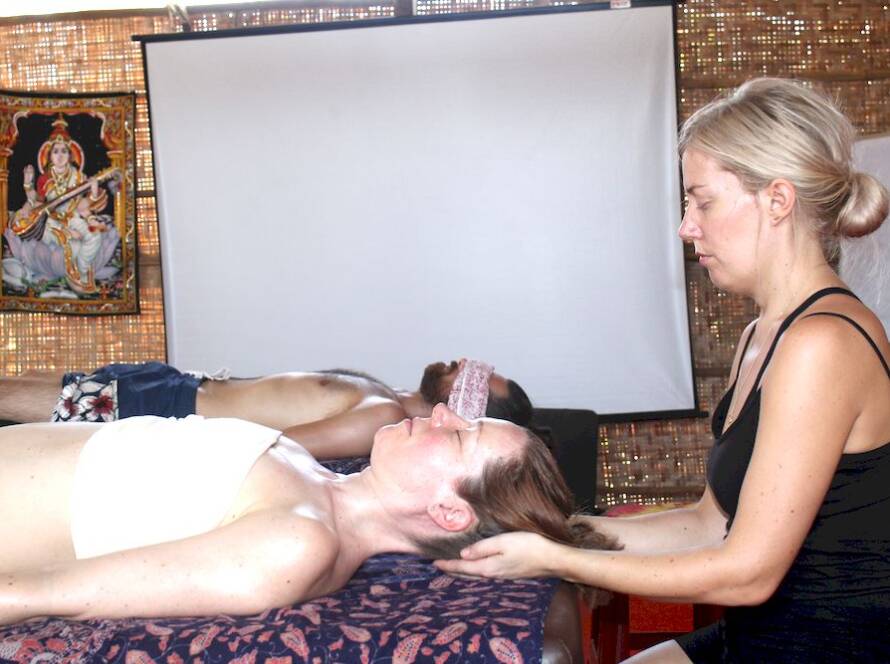
Quality of life is not determined only by the absence of illness. It is also about how comfortably we move, how well we rest, how we respond to everyday stress, and how connected we feel to our own bodies.
Modern life often involves long hours of sitting, repetitive movements, physical demands, and constant mental activity. Over time, these habits can contribute to muscle tension, fatigue, and a feeling of being disconnected from the body. Massage offers one way to pause, release accumulated tension, and give attention to physical well-being.
1. Relieving Everyday Muscle Tension
Muscle tension can develop through prolonged sitting, physical work, repetitive movements, or maintaining the same posture for extended periods. When the body remains tense, ordinary activities may begin to feel uncomfortable.
Massage can help reduce the sensation of muscular tightness and promote relaxation. Depending on the person’s needs, gentle techniques or more focused bodywork may help address areas of discomfort and improve the feeling of ease during everyday movement.
The aim is not simply to work on a particular muscle, but to help the person feel more comfortable in their body.
2. Supporting Relaxation and Emotional Well-Being
Physical and emotional experiences are closely connected. During periods of stress, many people notice that their shoulders rise, their jaw tightens, or their breathing becomes shallow.
A calm massage environment, attentive touch, and time away from daily demands may help a person relax. Some people also experience a greater sense of calm and emotional ease after a session.
Massage does not replace professional mental health care, but it can be a supportive part of a broader approach to personal well-being.
3. Encouraging Better Rest
Rest is essential for maintaining energy and managing everyday responsibilities. However, physical discomfort and stress can make it difficult to settle down at the end of the day.
By helping some people relax and feel more comfortable, massage may support their ability to unwind before sleep. Individual experiences vary, and massage should be considered one part of healthy sleep habits rather than a guaranteed solution for sleep problems.
4. Making Everyday Movement More Comfortable
Quality of life is also reflected in the ease with which we perform ordinary activities: walking, bending, reaching, working, exercising, or spending time with family.
When muscles feel tight or movement feels restricted, even simple tasks can become tiring. Massage and appropriate bodywork may help some people feel less stiff and more comfortable moving.
Long-term mobility also depends on regular physical activity, suitable exercise, recovery, and medical attention when needed. Massage can complement these habits but cannot replace them.
5. Developing Greater Awareness of the Body
Many people notice their bodies only when discomfort becomes difficult to ignore. They may overlook early signs of fatigue, tension, or the need for rest.
A massage session creates an opportunity to slow down and notice physical sensations. With time, this awareness may help people recognise where they hold tension and become more attentive to their daily habits.
This does not mean every sensation needs to be corrected. Sometimes, simply noticing the body without rushing to change anything can be valuable.
6. The Importance of Individual Needs
There is no single massage approach that suits everyone. Some people prefer gentle, relaxing touch, while others seek focused work on areas of muscular tension.
The appropriate approach depends on personal preferences, comfort, health circumstances, and the purpose of the session. Good communication between the practitioner and the receiver is essential, particularly when pressure needs to be adjusted or certain areas avoided.
Massage should feel appropriate to the individual rather than follow the same routine for every person.
A More Balanced Relationship with the Body
Improving quality of life does not always require dramatic changes. It can begin with small, consistent ways of caring for ourselves: moving regularly, taking breaks, resting adequately, and paying attention to physical and emotional needs.
Massage can be one part of this process. Its value lies not only in the immediate experience of relaxation, but also in the opportunity to pause and become more aware of how we feel.
When combined with healthy daily habits and appropriate healthcare, massage may contribute to greater comfort and a more balanced approach to everyday life.