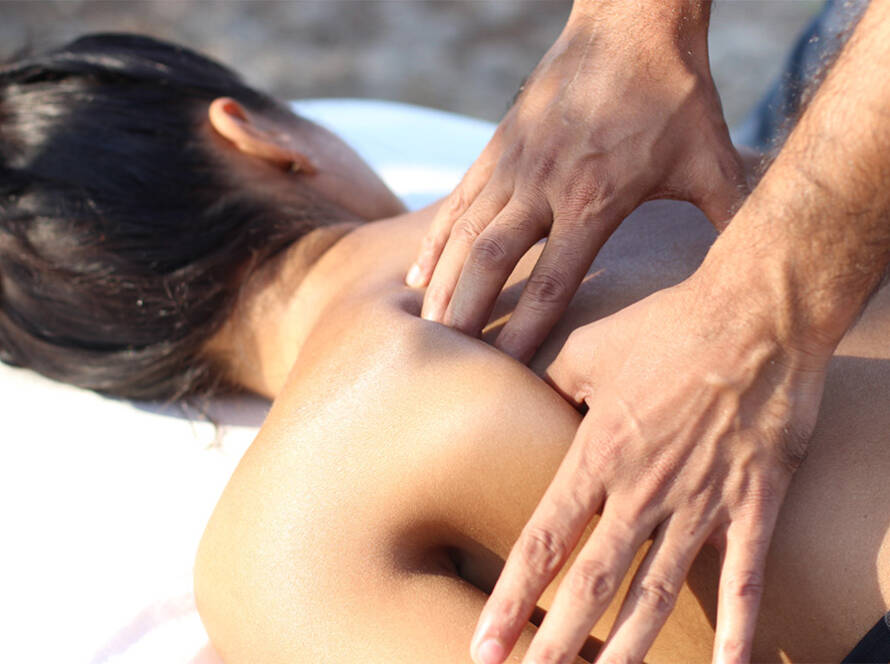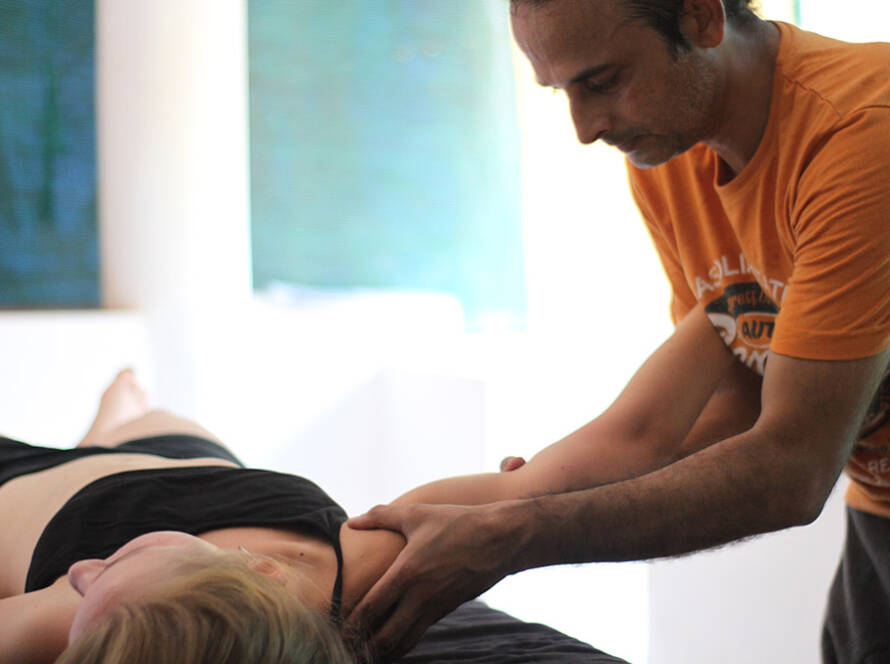
Massage therapy can be learned through different types of training, from short introductory workshops to longer professional programmes. Each offers a different learning experience, and understanding these differences can help people decide which kind of education suits their interests and future plans.
For someone beginning a journey into massage, the number of available approaches can seem confusing. Some programmes focus on relaxation and general well-being, while others teach therapeutic techniques, traditional bodywork methods, or specialised approaches for particular needs.
Rather than assuming that one type of programme is best for everyone, it is useful to understand what the different forms of training offer.
Short Massage Workshops
Short workshops introduce participants to the foundations of a particular massage method. They may focus on relaxation massage, basic touch techniques, chair massage, or an introduction to a traditional bodywork practice.
These workshops can be useful for people who want to explore massage before committing to a longer course. They can also help existing practitioners become familiar with an unfamiliar technique.
However, a short workshop usually has a limited scope. Learning a few techniques does not necessarily provide all the knowledge and supervised practice needed to work professionally with clients.
Professional Massage Training Programmes
Professional massage training generally aims to develop a broader range of practical skills. Depending on the programme, students may study body structure, massage techniques, client communication, safe working practices, and the practical organisation of a massage session.
The amount of training and the depth of instruction vary considerably between providers. Some programmes extend over several months, while intensive courses concentrate on a particular method over a shorter period.
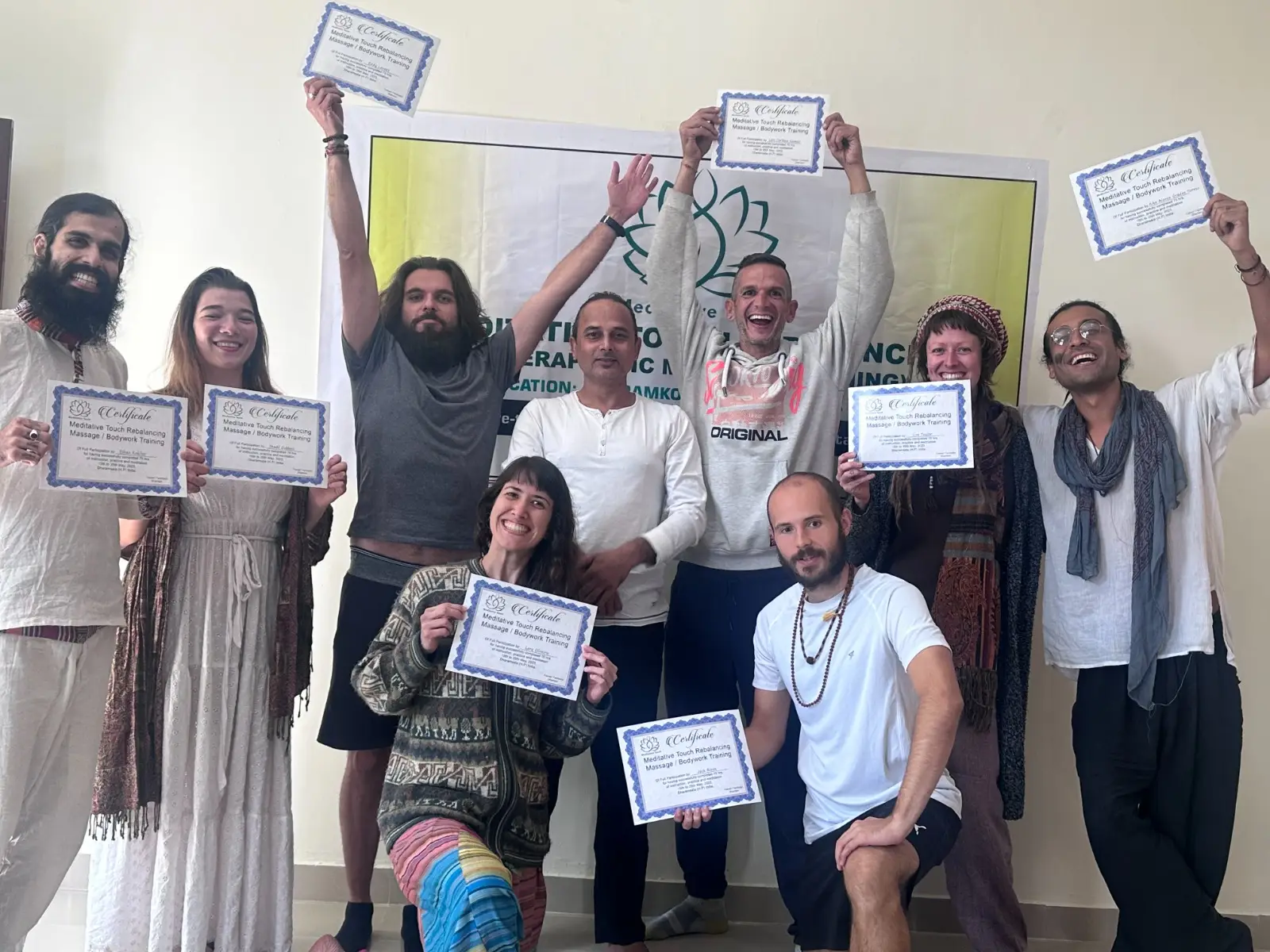
When considering a professional programme, it is important to understand its actual curriculum, the amount of supervised practice, and the qualification or certificate awarded at the end.
A programme’s duration alone does not determine the quality of the education.
Traditional and Holistic Bodywork Training
Some massage programmes draw on traditional approaches to touch and bodywork. Depending on the method, they may include practices influenced by Ayurveda, Thai massage, acupressure, or other established traditions.
Holistic bodywork programmes may also explore how movement, relaxation, body awareness, and the person’s overall experience relate to the practice of massage.
These approaches can differ significantly in their techniques, underlying principles, and intended applications. It is therefore useful to examine each programme individually rather than assuming that all holistic training follows the same method.
Students should also distinguish between traditional explanations of a practice and claims supported by scientific evidence.
Therapeutic Massage and Specialised Training
Some programmes focus on particular areas of massage practice, such as sports massage, deep tissue techniques, myofascial work, or massage adapted for specific client populations.
These courses may be suitable for people who already have experience and want to develop a specialised skill. Others provide introductory instruction for beginners, depending on the provider and the subject.
Specialised training should clearly explain its prerequisites, scope of practice, and any limitations. Certain client groups and health conditions require additional training, professional judgement, or medical guidance.
A course certificate should not be confused with a government-recognised qualification or a professional licence where these are required.
Learning Through Practice
Massage is a practical skill. Reading about techniques and watching demonstrations can help build understanding, but neither replaces the experience of practising touch and receiving feedback.
A useful training experience allows students to observe demonstrations, practise techniques, ask questions, and gradually develop control over pressure and movement.
The opportunity to give and receive massage can also help students understand that the same technique may feel different from one person to another.
Learning to communicate clearly, respect personal boundaries, and respond to feedback is just as important as learning the physical movements themselves.
Choosing a Learning Path That Fits Your Goals
The most suitable type of massage training depends on what you want to achieve.
If you are curious about massage, a short introductory workshop may be a useful starting point. If you intend to offer massage professionally, you will need to consider the depth of practical instruction, the relevant professional requirements in your intended location, and the support available as you develop your skills.
People who already practise massage may prefer specialised training that builds on their existing experience.
It is also worth considering the learning environment. Some people prefer a longer programme with time to study gradually, while others benefit from an intensive, hands-on format that allows them to concentrate on one method.
There is no single programme that suits every learner.
Choosing a Massage Programme
Before enrolling in a massage programme, consider what you want to learn and how you intend to use that knowledge. An introductory workshop may be suitable for personal interest, while someone planning to work professionally may need a more comprehensive education.
Compare the curriculum, course duration, entry requirements, fees, and the qualification awarded. It is also worth checking the school’s teaching experience and whether its training meets the professional requirements of the country where you intend to practise.
The best programme is not necessarily the longest or the most expensive. It is the one that provides appropriate training for your goals, with a clear explanation of what you will be qualified and prepared to do afterwards.
Final Thoughts
Massage education offers many different paths, each with its own purpose and limitations. Short workshops, professional programmes, traditional bodywork courses, and specialised training can all serve useful roles when their scope is clear.
The important distinction is between simply being introduced to a technique and developing the knowledge, practical ability, and professional responsibility needed to apply it appropriately.
Understanding the different types of training helps prospective students approach massage education with realistic expectations and a clearer sense of direction.