The benefits of massage go beyond simply feeling relaxed. Massage can help ease muscle tension, support relaxation, improve comfort and encourage a greater awareness of the body. In our busy lives, taking time to receive a massage can offer a welcome opportunity to slow down, release everyday tension and reconnect with ourselves. When performed with care and attention, massage becomes more than a physical technique; it can be a valuable part of a balanced approach to well-being.
1. Relieving Muscle Tension and Physical Discomfort
Muscle tension can develop through long hours of sitting, repetitive movements, physical work, exercise or everyday stress. When muscles feel tight or overworked, ordinary activities can become uncomfortable.
Massage uses different techniques to work with soft tissues, including muscles and the surrounding connective tissue. Depending on the technique and individual needs, it may help reduce muscle tension, ease certain types of pain and improve the feeling of physical comfort.
The pressure and approach should always be adapted to the person receiving the massage. Stronger pressure is not necessarily more effective, and a good massage should respect the body’s limits.
2. Supporting Relaxation and Reducing Stress
One of the most appreciated benefits of massage is the opportunity to relax. Gentle, steady and attentive touch can help people settle down and take a break from the demands of daily life.
During a massage, many people find it easier to let go of unnecessary muscular effort and become aware of their breathing. This quiet time may help reduce feelings of stress and encourage a greater sense of calm.
Relaxation is a personal experience. Some people prefer slow and gentle movements, while others respond well to deeper work. The most suitable approach depends on individual preferences, comfort and needs.
3. Improving Body Awareness
We do not always notice how we hold tension in our bodies. Tight shoulders, a clenched jaw, a stiff back or restricted movement can gradually become familiar sensations.
Massage can help bring attention to these areas. By noticing how different parts of the body feel before, during and after a session, a person may begin to recognise patterns of tension and develop a better understanding of their physical needs.
This awareness can also encourage healthier daily habits, such as taking movement breaks, adjusting posture and allowing enough time for rest.
4. Encouraging Comfortable Movement and Flexibility
Muscle tightness and restricted movement can affect how comfortably we bend, turn, reach or stretch. Certain massage techniques may help improve perceived flexibility and ease of movement, particularly when combined with appropriate stretching and regular physical activity.
The aim is not to force the body into a particular position. Instead, the practitioner works within a comfortable range and adjusts the treatment according to the person’s response.
For persistent stiffness, injuries or significant movement limitations, massage should complement appropriate professional assessment rather than replace it.
5. Supporting Rest and Sleep
Stress and physical discomfort can make it difficult to settle down at the end of the day. By encouraging relaxation and easing some forms of muscle tension, massage may help certain people feel more comfortable when preparing for rest.
Some people report sleeping better after a massage, although the effects vary from person to person. Massage should not be considered a guaranteed treatment for insomnia or other sleep disorders.
A regular sleep routine, suitable physical activity and a calm environment remain important parts of healthy sleep.
6. The Connection Between Touch and Emotional Well-Being
Touch is an important part of human experience. When it is respectful, appropriate and welcomed, it can help create a feeling of comfort, safety and connection.
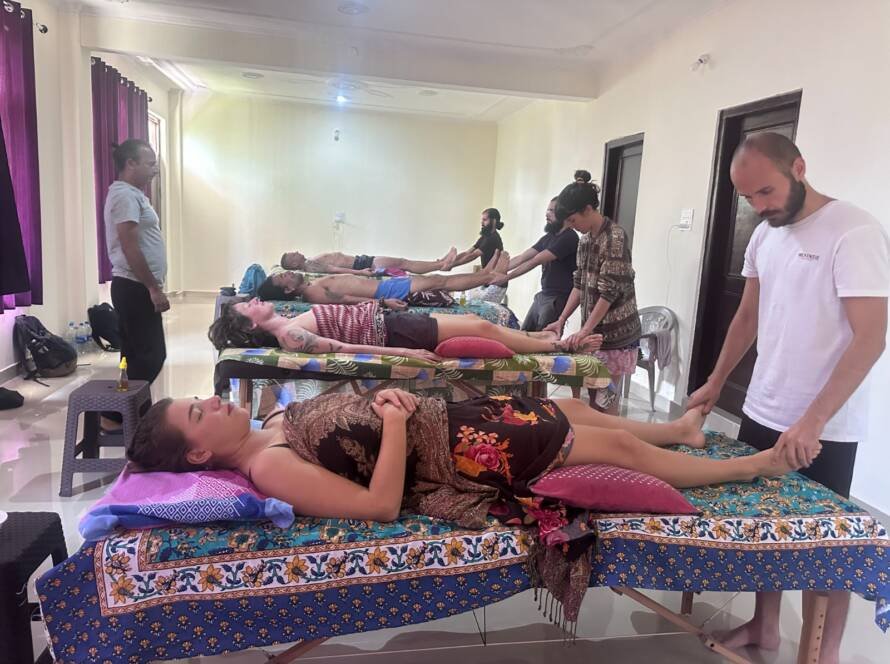
A professional massage session offers dedicated time in which a person can pause, relax and receive attentive care. For some, this experience can support emotional relaxation and a greater sense of well-being.
Every person responds differently to touch. A good practitioner respects personal boundaries, communicates clearly and adjusts the session to the receiver’s comfort. Consent and trust are essential parts of any therapeutic massage.
7. Why Awareness Matters in Massage
Massage is often understood through techniques, pressure and anatomical knowledge. These are important, but the quality of touch also depends on the practitioner’s attention and sensitivity.
When a practitioner works with awareness, they pay attention to the person’s breathing, muscular responses, comfort and movement. Rather than following a fixed sequence without adjustment, they respond to what they observe and feel through their hands.
This approach can make a massage session more individual and attentive. It also encourages practitioners to develop their own body awareness, use comfortable working postures and avoid relying on unnecessary force.
At Meditative Touch, awareness and presence are important parts of the massage experience. The intention is to bring together practical bodywork skills with a calm, attentive and respectful approach to touch.
8. Choosing the Right Massage for Your Needs
Different massage approaches serve different purposes. Some focus on relaxation, while others use more specific techniques to address muscular tension and movement restrictions.
When choosing a massage, consider the following:
– Your main concern: Are you looking for relaxation, help with muscle tension or support for comfortable movement?
– Your comfort level: Choose a pressure and approach that feel appropriate for you.
– The practitioner’s training: Look for someone with suitable education, experience and an understanding of safe practice.
– Communication: Discuss your needs, preferences, injuries and relevant health conditions before the session.
– Your response: Let the practitioner know if the pressure feels uncomfortable or if you experience pain.
Massage is not suitable for every condition or every situation. If you have a medical concern, an acute injury or an unexplained symptom, seek appropriate medical advice before receiving treatment.
Conclusion: Massage as a Practice of Care and Awareness
The benefits of massage can include relaxation, relief from certain types of muscle tension, improved physical comfort and a greater awareness of the body. Its value lies not only in the techniques used, but also in how the session is adapted to the individual.
When massage is approached with knowledge, sensitivity and respect, it can become a meaningful way to care for the body and make space for rest.
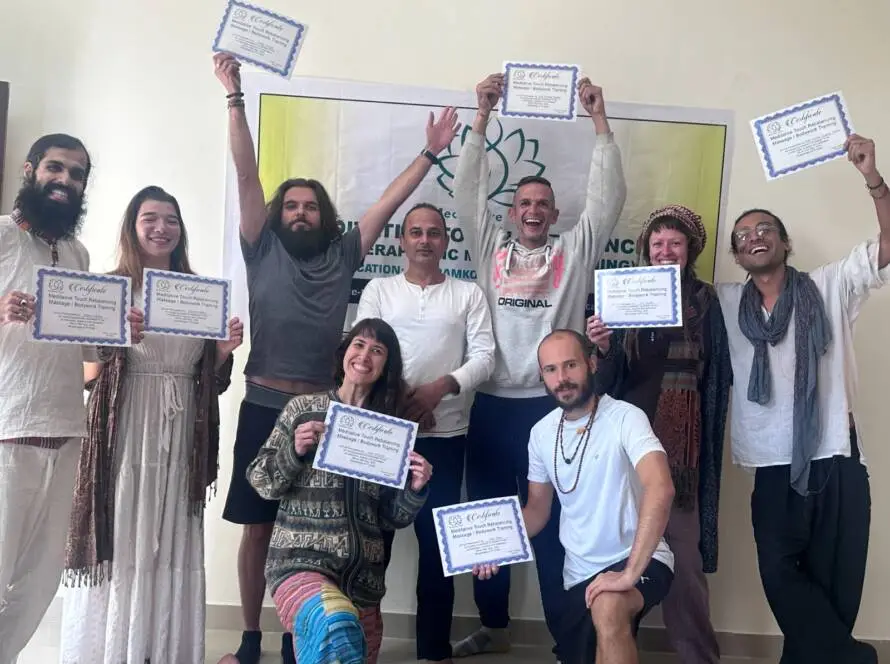
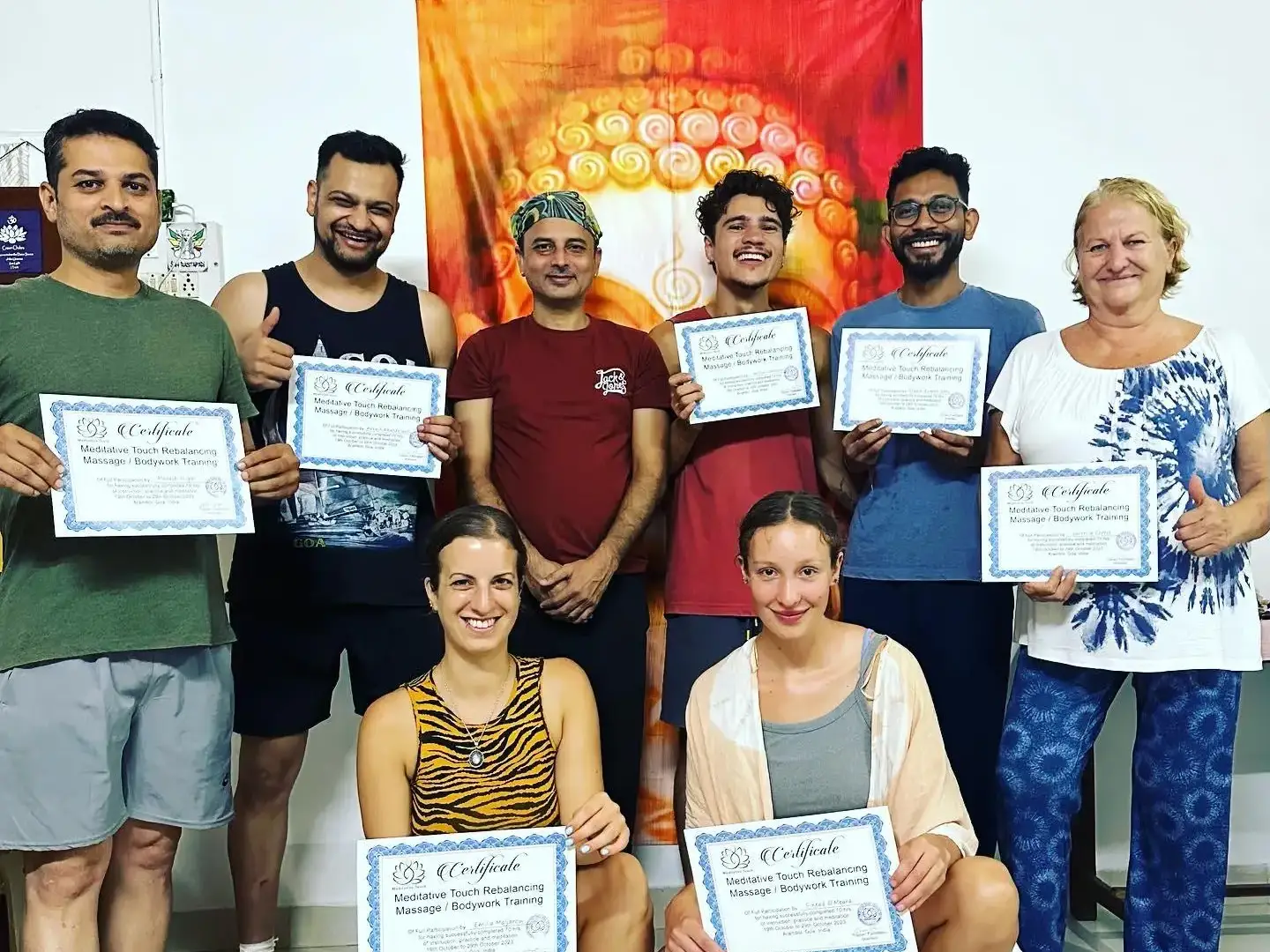
At Meditative Touch, we bring together therapeutic bodywork and a meditative approach to touch. For those interested in exploring these methods more deeply, our Meditative Touch Rebalancing Massage Training offers an opportunity to learn practical techniques alongside body awareness, presence and mindful practice.